Toddler Games for 2+ year olds
Bimi Boo Kids Learning Games for Toddlers FZ-LLCEducational
4.41.44K Reviews
- Version
- 1.128
- Installs
- 10.00M
- Age Rating
- Everyone
Screenshots
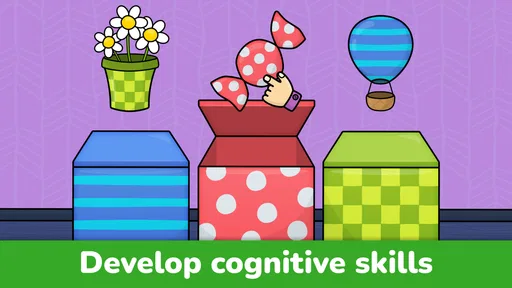
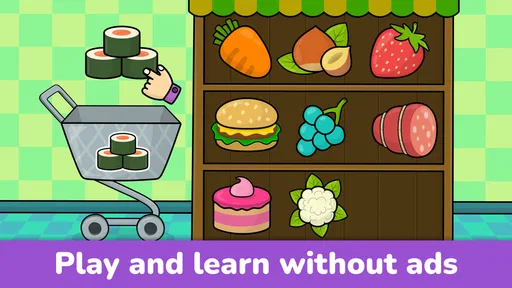
Our Review of Toddler Games for 2+ year olds
 Analysis by Appyee
When I judge a toddler game, the first burst of excitement matters less than whether it still earns a place in the weekly routine once the bright colors feel familiar. Toddler Games for 2+ year olds makes a lively first impression, but its lasting value depends on how a family uses it: as a short, shared activity rather than a substitute for conversation, toys, or rest.
The first week feels easy to enter
In its first sessions, the appeal is straightforward. A young child can explore colorful activities without needing to understand a complicated menu, while a parent can watch and offer help when a task is new. That low barrier is useful for toddlers who are only beginning to use a touchscreen and may lose patience if a game requires careful reading or several setup steps.
The range of activities gives the app more than one way to catch a child's attention. Puzzles, matching, and musical play invite different kinds of responses, so a child who is not interested in one task may be willing to try another. I would still introduce it in a calm moment and sit nearby at first. Watching how a child taps, pauses, and reacts tells you whether the activity is genuinely engaging or simply holding their gaze.
What can make it worth returning to
The app is an educational game for toddlers and preschool children, made by Bimi Boo Kids Learning Games for Toddlers FZ-LLC. It brings together activities intended to support memory and logic, along with the broader early-learning themes reflected in its puzzles and matching play. The important distinction for me is that these are short practice opportunities, not a complete learning plan. A child may enjoy repeating a familiar task, but I would connect that play to something away from the screen: sorting toys by color, finding matching socks, or clapping a simple rhythm together.
That small bridge to everyday life is where the app can gain recurring value. If a child matches objects on screen, ask them to find a pair of safe household items afterward. If they have been drawing, offer paper and crayons so the idea continues with a different tool. These transitions make a brief session feel more purposeful without turning play into a lesson. They also let a parent see whether the child is noticing a concept or simply enjoying the animation and interaction.
Keeping sessions manageable
I would treat this as a pick-up-and-put-away game, not something that needs to run in the background all day. A short turn while waiting for an appointment or settling after a busy outing can be convenient, but a toddler often benefits from an adult nearby to name colors, encourage a try, and notice when attention is fading. The most useful routine is one that ends easily: agree on a stopping point before opening the app, then move to a snack, a book, or hands-on play.
For a practical everyday example, imagine a parent preparing dinner while a toddler is safely close by. A brief game session may help fill that small gap, especially if the adult can check in and talk about what the child is doing. It is less suitable when the child needs supervision in another room, when a screen would distract from an important transition, or when the goal is to calm an already overtired child. In those moments, a familiar book or quiet toy may work better.
What's the Buzz About?
Alright, let's dive right in. So, Toddler Games for 2+ year olds is exactly what it sounds like – a collection of games designed specifically for the curious minds of toddlers. The app is packed with a variety of activities that are not only engaging but also educational. From colorful puzzles to interactive stories, there’s a little something for everyone.
Engaging Activities Galore
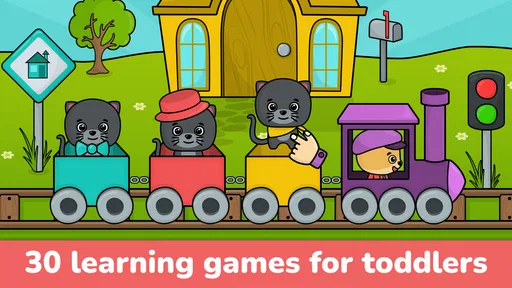
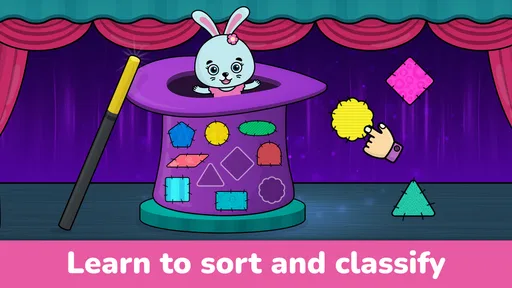
One of the first things I noticed was the sheer variety of games. There are simple puzzles that help with shape and color recognition, matching games that boost memory skills, and even some musical activities to get those tiny feet tapping. Each game is crafted to keep the kids entertained while sneaking in some learning, which is a win-win in my book!
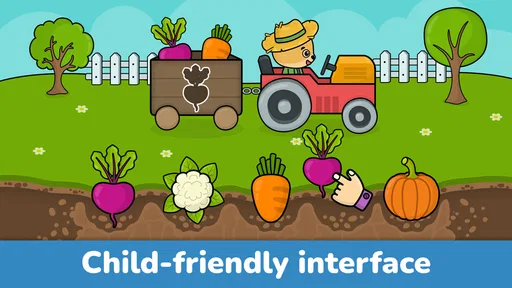
The developers have done a fantastic job of ensuring that the interface is intuitive. Even if your little one is just starting to navigate a touchscreen, they’ll find it pretty straightforward. The bright colors and friendly characters are a big hit too. My kiddo was instantly drawn in, and I can’t blame them!
Keeping It Safe and Sound
Now, as a parent, safety is always at the top of my list. I was relieved to find that this app is ad-free. Yep, you heard that right! No pesky ads popping up when your child is in the middle of a game. It's a sigh of relief knowing that they can play uninterrupted.
Plus, the app doesn’t require any special permissions or personal information, which is another huge plus. Privacy and security are well-handled, making it a safe space for your little ones to explore.
Learning Through Play
What I really appreciate about this app is how it promotes learning through play. The games are designed to develop cognitive skills, hand-eye coordination, and problem-solving abilities. And let’s not forget the added bonus of improving fine motor skills. Who knew having fun could be so beneficial?
There's also a touch of creativity involved. Some games allow kids to draw or create, fostering their imagination. Watching my toddler proudly show off their creations is a joy, and it’s all thanks to the app’s engaging design.
How it compares with other toddler activities
Compared with a single-purpose puzzle app, this collection offers a broader change of pace: a child can move between matching, puzzles, and music rather than repeating one format. That variety is helpful when attention shifts quickly, but it also means the app is not necessarily the best choice for a parent who wants one carefully paced activity focused on a particular skill. A physical shape sorter or picture book gives a different kind of practice, with objects to handle and pages to turn; I see those as complements, not rivals.
For families deciding between this and a general video, the difference is interaction. The activities invite a child to tap, match, or make something, while a video is mostly watched. That does not make every screen session educational by default: the value depends on the child participating and, where possible, an adult joining in. If a toddler mainly wants passive cartoons, this game may not hold their interest as well as a familiar show.
Small choices that improve the routine
One useful approach is to let the child choose between two activities rather than handing over the device with no boundary. That gives them a sense of control while keeping the session manageable. I would also avoid using the app as a reward for finishing every ordinary task; tying play to constant bargaining can make transitions harder. Instead, offer it as one option among a book, blocks, or drawing, and observe which choice suits the moment.
Another practical tip is to stay alert to the difference between repetition and progress. Repeating a matching game can be reassuring and enjoyable, especially for a young child, but it does not automatically mean the child is ready for harder material. If the task becomes effortless or the child starts tapping without looking, switch activities or end the session rather than stretching play past its useful point. This keeps the app from becoming background noise.
Who will get the most from it
I think it is best suited to parents or caregivers looking for a simple, varied digital activity for toddlers and preschoolers, especially when they are willing to sit close and turn play into conversation. It can also suit a family that wants a few minutes of interactive entertainment during a wait, with the adult still managing the device and the stopping point. Its Everyone age rating and toddler-focused design make the intended audience clear, but a caregiver should still decide whether the content and screen routine suit the individual child.
I would skip it if you want a structured course, detailed progress tracking, or a replacement for hands-on learning. It is also not the right fit for a child who becomes distressed when screen time ends, or for a family trying to reduce device use. In those cases, a physical matching game, simple household sorting activity, or shared story may be easier to control and more satisfying.
What to know before installing
The game is free to download, and it has in-app purchases ranging from ninety-nine cents to five dollars and ninety-nine cents per item. I would check the purchase options with the adult account before handing the device to a child, then keep store access under adult control. That is a sensible precaution for any young-child app with optional purchases, even when the child is only interested in playing.
It has been available since March 25, 2016, and its current version is 1.125, with Android support beginning at version 7.0. Its average rating is 4.4 from around sixty-two thousand ratings, and it has been installed over ten million times. Those figures suggest that many families have tried it, but they cannot tell you whether its pace, activities, or visual style will suit your child. A short supervised trial is a better test than popularity alone.
Keeping expectations realistic
The promise I would place on this app is modest: it can offer a child a varied way to practise simple thinking and coordination through play. It cannot guarantee a particular learning outcome, and an engaging interface does not remove the need for breaks or adult judgement. Some children will happily revisit familiar activities; others may move on quickly, or prefer toys they can touch and rearrange. That difference is normal, not a reason to push longer sessions.
There is also a trade-off in having several kinds of play in one place. Variety can help when a child tires of one format, yet hopping rapidly between activities may make it harder to settle into any one task. I would guide the child toward one activity at a time, give them a chance to finish, and then decide together whether to continue. That simple rhythm makes the app feel more like a shared play choice and less like an endless feed.
Learning Through Play
What I really appreciate about this app is how it promotes learning through play. The games are designed to develop cognitive skills, hand-eye coordination, and problem-solving abilities. And let’s not forget the added bonus of improving fine motor skills. Who knew having fun could be so beneficial?
There's also a touch of creativity involved. Some games allow kids to draw or create, fostering their imagination. Watching my toddler proudly show off their creations is a joy, and it’s all thanks to the app’s engaging design.
Why Give It a Go?
If you’re still on the fence about downloading this app, let me share a few more reasons why it might be worth your while. First off, it’s incredibly user-friendly. Even if you’re not tech-savvy, getting it set up is a breeze. The app guides you through its features seamlessly.
Secondly, it's a great tool to keep your child occupied in a meaningful way. Whether you need a few minutes to yourself or you’re on a long car ride, these games can be a lifesaver. And since it’s educational, you won’t feel guilty about screen time.
Month-to-month value and fatigue
After the novelty fades, I would look for a dependable role rather than expecting the game to become a daily favorite. Its best recurring use is as one option in a rotating mix of play: bring it out when a child is receptive, then leave space for books, pretend play, and movement. That keeps the activities from being the default response to boredom and makes it easier to notice when the child has had enough.
Fatigue can come from the same things that first attract a toddler: bright visuals, familiar tasks, and the quick appeal of tapping. A child may ask for the game often without staying engaged once it opens, or may resist stopping after a session. I would treat those signs as a cue to change the routine, not as a reason to add more screen time. The app's value is strongest when it fits around family life instead of setting its pace.
The Final Word
All in all, Toddler Games for 2+ year olds is a wonderful addition to any parent’s toolkit. It’s engaging, educational, and downright fun. My toddler loves it, and honestly, I enjoy watching them learn and grow with each game. If you’re looking for an app that combines learning with play, this might just be it.
So, go ahead and give it a try! You can easily find it in your app store, and I promise, your little ones will thank you for it. Happy gaming, everyone!
My long-term verdict
For me, this is a useful occasional play companion, not an app that needs permanent center stage. Its mix of simple activities, approachable design, and toddler-friendly intent gives it a reasonable chance of being revisited, especially when a caregiver joins in and connects the on-screen task to something real. The free starting point lowers the barrier to trying it, while optional purchases mean I would keep the device in adult hands when a child is exploring.
I would recommend giving it a place in a small rotation if your child enjoys interactive puzzles and matching, and if you are comfortable setting limits around screens. If you need a focused teaching tool, a fully hands-on activity, or a way to avoid screen routines altogether, choose something else. The lasting question is not whether the game can hold a toddler’s attention once, but whether it remains a pleasant, manageable choice for your family; in my view, that depends on keeping sessions short, shared, and occasional.
Verdict
Strengths of Toddler Games for 2+ year olds
- Engaging and colorful graphics.
- Simple controls for young children.
- Includes educational mini-games.
- No ads to ensure safe play.
- Promotes cognitive development.
Limitations of Toddler Games for 2+ year olds
- Limited free content available.
- Some games may be too simple.
- Requires internet for updates.
- Occasional lag on older devices.
- No progress tracking for parents.
Other Releases by Bimi Boo Kids Learning Games for Toddlers FZ-LLC
View All
Baby Piano: Kids Music Games
Music4.1

Coloring Book - Games for Kids
Educational4.4

Coloring for Kids: Drawing 2-6
Educational4.2

Kids doctor games 2-5 year old
Educational4.5
Similar Picks in This Category
View All
Little Panda Policeman
BabyBus4.0

Monster Trucks Game for Kids 2
Raz Games4.1

Little Panda's Chinese Recipes
BabyBus4.4

Little Panda's Restaurant
BabyBus4.4

Little Panda's Ice Cream Games
BabyBus4.3

Baby Panda Care
BabyBus3.8
Frequently Asked Questions
What age group is Toddler Games for 2+ year olds suitable for?
Toddler Games for 2+ year olds is specifically designed for children aged 2 and above. The games are crafted to cater to the developmental stages and interests of toddlers, offering age-appropriate activities that stimulate learning and fun. Parents can rest assured knowing the content is safe and tailored to young children.
What types of games are included in Toddler Games for 2+ year olds?
The app offers a variety of engaging games such as puzzles, matching games, and simple counting exercises. These activities are designed to enhance cognitive skills, hand-eye coordination, and early learning concepts. The games are visually appealing and easy to navigate, making them ideal for young children.
Is Toddler Games for 2+ year olds safe for my child to use?
Yes, safety is a top priority. The app is free from inappropriate content and is designed with child-friendly navigation. It does not include any advertisements or in-app purchases, ensuring a distraction-free experience. Parents can confidently allow their toddlers to explore the app independently.
Can Toddler Games for 2+ year olds be used offline?
Yes, the app is designed to be used offline, making it a perfect companion for travel or areas with limited internet access. Once downloaded, all games and activities are available without requiring an internet connection, providing uninterrupted learning and entertainment for your child.
How can Toddler Games for 2+ year olds support my child's development?
The app supports early childhood development by encouraging problem-solving skills, creativity, and basic numeracy and literacy. Through interactive play, children can develop fine motor skills and cognitive abilities. The app's engaging format keeps toddlers entertained while fostering essential developmental milestones.
Play our best games!


